

How Bonuses Affect National Insurance Contributions in the UK
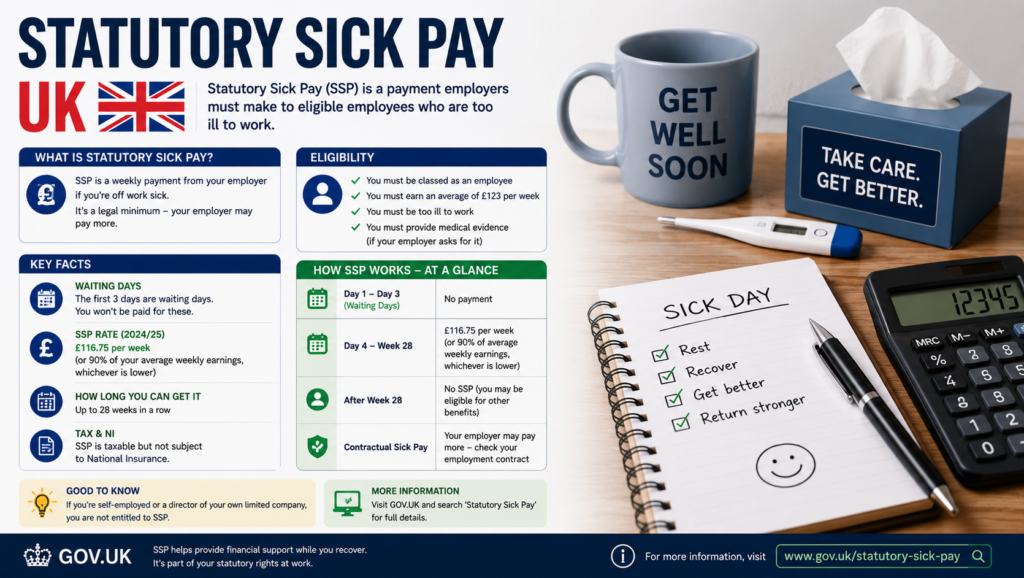
Bonus National Insurance UK Getting a bonus is one of those moments that feels great right up until payday, when you open your payslip and realise National Insurance has taken a noticeably bigger bite than usual Bonus National Insurance UK. If you’ve ever wondered why a £2,000 bonus doesn’t add £2,000 to your take-home pay, the answer lies in how HMRC treats bonuses for National Insurance purposes Bonus National Insurance UK. Bonus National Insurance UK rules aren’t complicated once you understand the basics, but they catch a lot of people off guard because bonuses are taxed differently to how most people expect Bonus National Insurance UK. This guide explains exactly how National Insurance is calculated on a bonus, why the deduction can look disproportionately large, how it interacts with Income Tax, student loans and multiple jobs, and what you can do to reduce it Bonus National Insurance UK. Read More: Understanding Pre-Tax and Post-Tax Deductions in the UK Quick Answer: How Is National Insurance Charged on a Bonus? Bonus National Insurance UK A bonus is treated as part of your earnings for the pay period in which it’s paid, so it’s added to your normal salary and National Insurance is calculated on the combined total Bonus National Insurance UK. For 2026/27, employees pay 8% National Insurance on earnings between £12,570 and £50,270 a year, and 2% on anything above that. Because a bonus sits on top of your regular pay for that period, it can push part of your earnings into a higher NI band for that pay period alone, which is why a bonus often feels more heavily taxed than your normal salary Bonus National Insurance UK. Visit Now: https://taxsal.com/ Key Terms You Need to Know First Bonus National Insurance UK A few terms come up repeatedly when talking about bonuses and National Insurance, so it’s worth being clear on what they actually mean Bonus National Insurance UK. Class 1 National Insurance Bonus National Insurance UK This is the type of National Insurance deducted from your pay through PAYE if you’re an employee. It’s calculated separately from Income Tax, using its own thresholds and rates Bonus National Insurance UK. Primary Threshold Bonus National Insurance UK The Primary Threshold is the point at which employee National Insurance starts being charged Bonus National Insurance UK. For 2026/27, it’s £12,570 a year, or £1,048 a month Bonus National Insurance UK. Upper Earnings Limit Bonus National Insurance UK This is the point at which the main 8% NI rate stops applying and a lower 2% rate takes over Bonus National Insurance UK. For 2026/27, it’s £50,270 a year, or £4,189 a month Bonus National Insurance UK. Pay Period Bonus National Insurance UK National Insurance is calculated on a pay-period basis, not cumulatively across the year the way Income Tax is Bonus National Insurance UK. This distinction is central to why bonuses affect NI the way they do, and it’s covered fully in the next section Bonus National Insurance UK. Gross Bonus Bonus National Insurance UK The full bonus amount before any tax or National Insurance is taken off Bonus National Insurance UK. This is usually the figure mentioned in your contract, offer letter, or bonus scheme documentation Bonus National Insurance UK. How National Insurance Actually Works Bonus National Insurance UK To understand what happens to a bonus, it helps to know one key fact: National Insurance isn’t calculated cumulatively across the tax year the way Income Tax is. Each pay period is treated on its own Bonus National Insurance UK. NI Band Rate for 2026/27 Applies To Below Primary Threshold 0% Earnings up to £1,048/month Main rate 8% Earnings between £1,048 and £4,189/month Upper rate 2% Earnings above £4,189/month Bonus National Insurance UK With Income Tax, your employer works out roughly how much tax you should have paid so far in the year and adjusts accordingly, spreading the effect of extra income more evenly Bonus National Insurance UK. National Insurance doesn’t do this. Whatever you’re paid in a single pay period is assessed against that period’s thresholds only, with no averaging or smoothing across the rest of the year Bonus National Insurance UK. Bonus National Insurance UK This is the whole reason a bonus can feel disproportionately taxed Bonus National Insurance UK. It isn’t that bonuses are charged at a higher NI rate — they’re not Bonus National Insurance UK. It’s that adding a lump sum to one month’s pay can push a larger chunk of that month’s earnings into the 8% band, or even into the lower 2% band if your combined pay for that month goes above the Upper Earnings Limit Bonus National Insurance UK. Why Bonuses Get Taxed the Way They Do Say your normal monthly salary is £3,000 Bonus National Insurance UK. Under the 2026/27 thresholds, most of that sits comfortably within the 8% NI band, with nothing pushing into the 2% band Bonus National Insurance UK. Bonus National Insurance UK Now add a £2,000 bonus in the same month Bonus National Insurance UK. Your combined pay for that period is £5,000, which is above the £4,189 Upper Earnings Limit Bonus National Insurance UK. Part of that month’s earnings now falls into the 2% band rather than the 8%. Because the bonus effectively sits on top of your regular pay, it’s the bonus itself that ends up straddling the higher earnings threshold — and because NI is calculated period by period, this doesn’t get corrected or refunded later just because your annual salary wouldn’t normally reach that level Bonus National Insurance UK. This is different to how many people assume bonuses work Bonus National Insurance UK. There’s no separate “bonus tax rate” for National Insurance — it’s simply that a lump sum added to a single pay period shifts where that period’s earnings fall across the NI bands Bonus National Insurance UK. A Worked Example Take someone earning £36,000 a year (£3,000 a month) who receives a £6,000 bonus in one month, paid alongside their normal salary Bonus